.png)
Ajwain (Carom Seeds): Benefits, Uses, Nutrition & Storage Guide
Ajwain, also known as carom seeds, is a powerful Indian spice known for its strong aroma and digestive benefits. Widely used in traditional cooking and Ayurvedic remedies, ajwain is a must-have in every kitchen. In this guide, discover its uses, health benefits, and proper storage methods.

Origin & History
Ajwain has been used for centuries in Indian households and Ayurveda. It is believed to have originated in the Middle East and spread across India, where it became an essential spice for both cooking and medicinal use.
What is Ajwain?
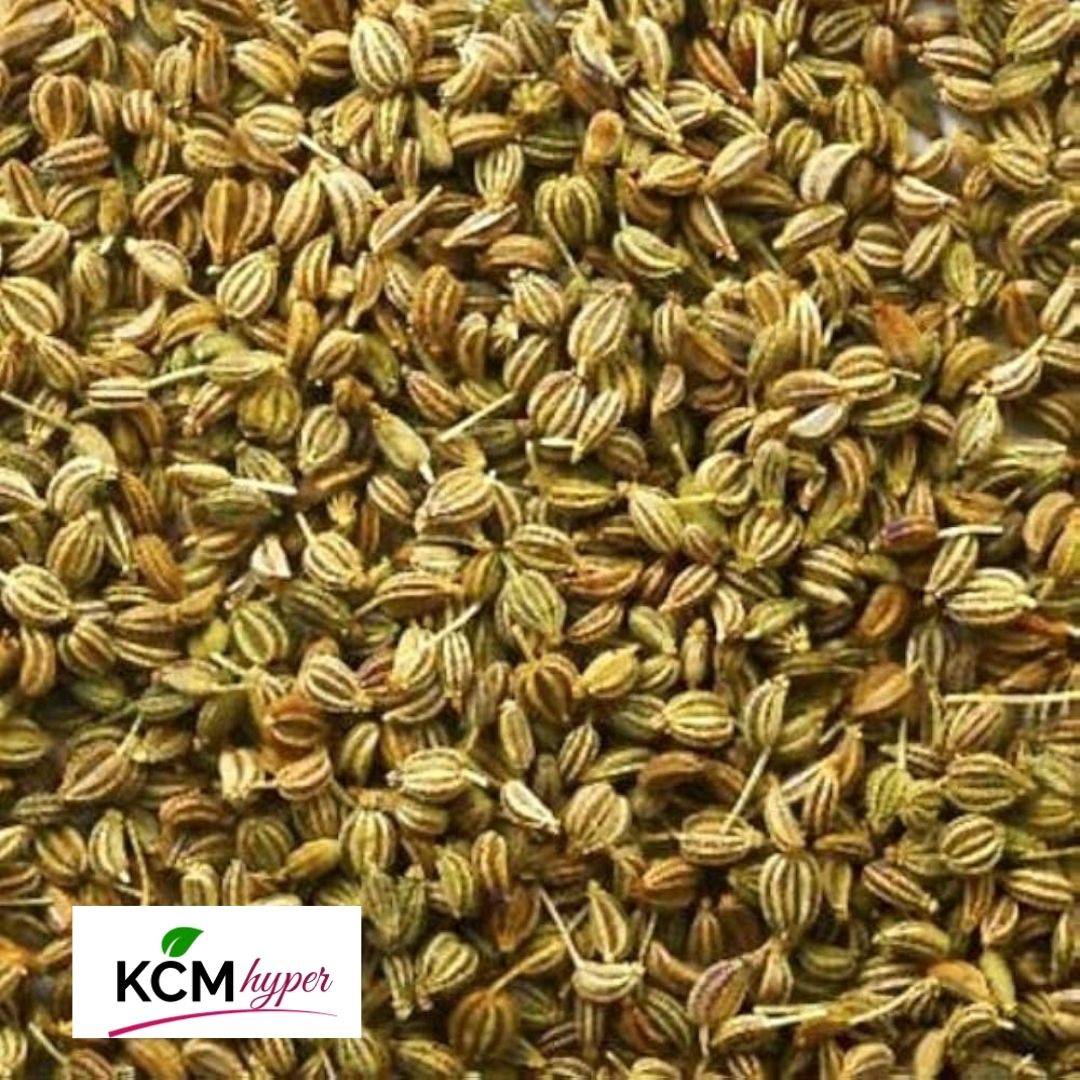
Ajwain seeds are small, oval-shaped seeds with a strong, thyme-like aroma. They belong to the Trachyspermum ammi plant and are known for their intense flavor and health benefits.
Culinary Uses
- Used in parathas and puris for flavor
- Added to tempering in dals and sabzis
- Used in snacks like mathri and namak pare
- Common in digestive spice mixes
👉 Looking for premium quality Ajwain?
🛒 Buy Farm Fresh AjwainHealth Benefits
- Improves digestion and relieves gas
- Helps in cold and cough relief
- Boosts metabolism
- Has antibacterial properties
Nutritional Value
| Nutrient | Benefit |
|---|---|
| Fiber | Supports digestion |
| Iron | Improves blood health |
| Calcium | Strengthens bones |
| Essential Oils | Provides medicinal properties |
How to Store Ajwain
Store ajwain in an airtight container in a cool, dry place. Keep it away from moisture and sunlight to maintain its strong aroma and effectiveness. Eco-friendly kraft packaging helps retain freshness naturally.
FAQs
Can ajwain be eaten daily?
Yes, in small quantities, it helps improve digestion.
Is ajwain good for stomach pain?
Yes, it is commonly used as a natural remedy for stomach issues.
Can ajwain help with weight loss?
It may support metabolism and digestion, aiding weight management.
Get Spice Tips & Offers
Join our community for recipes & spice knowledge.
Comments
Post a Comment