.png)
Cumin Seeds (Jeera): Benefits, Uses, Nutrition & Storage Guide
Cumin seeds, also known as jeera, are one of the most essential spices in Indian cooking. From enhancing flavor to offering powerful health benefits, cumin is a must-have in every kitchen. In this guide, explore its uses, nutrition, and how to store it properly.
Origin & History
Cumin has been used since ancient times in Egypt, the Middle East, and India. It was valued not only for its flavor but also for its medicinal properties in Ayurveda.
What is Cumin?
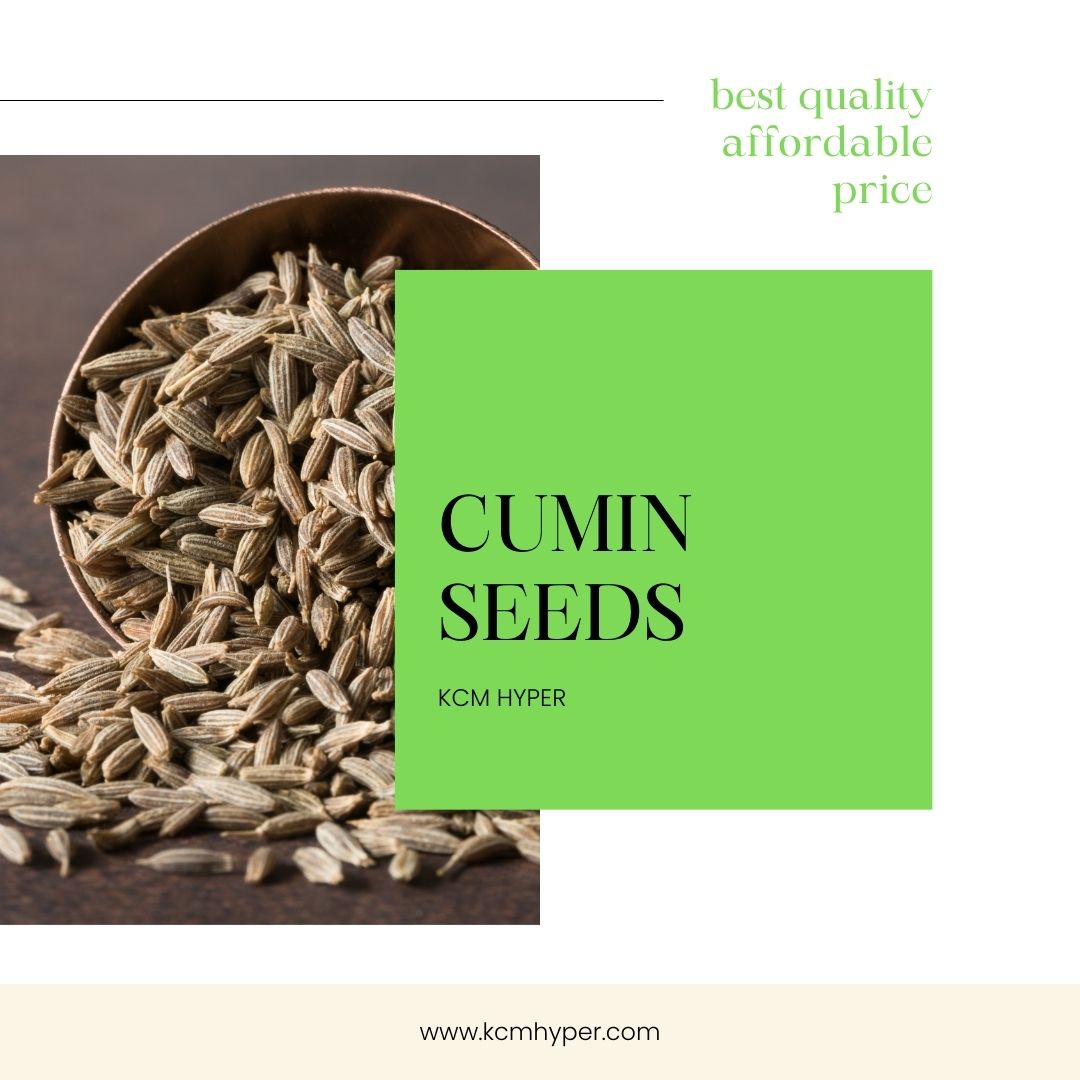
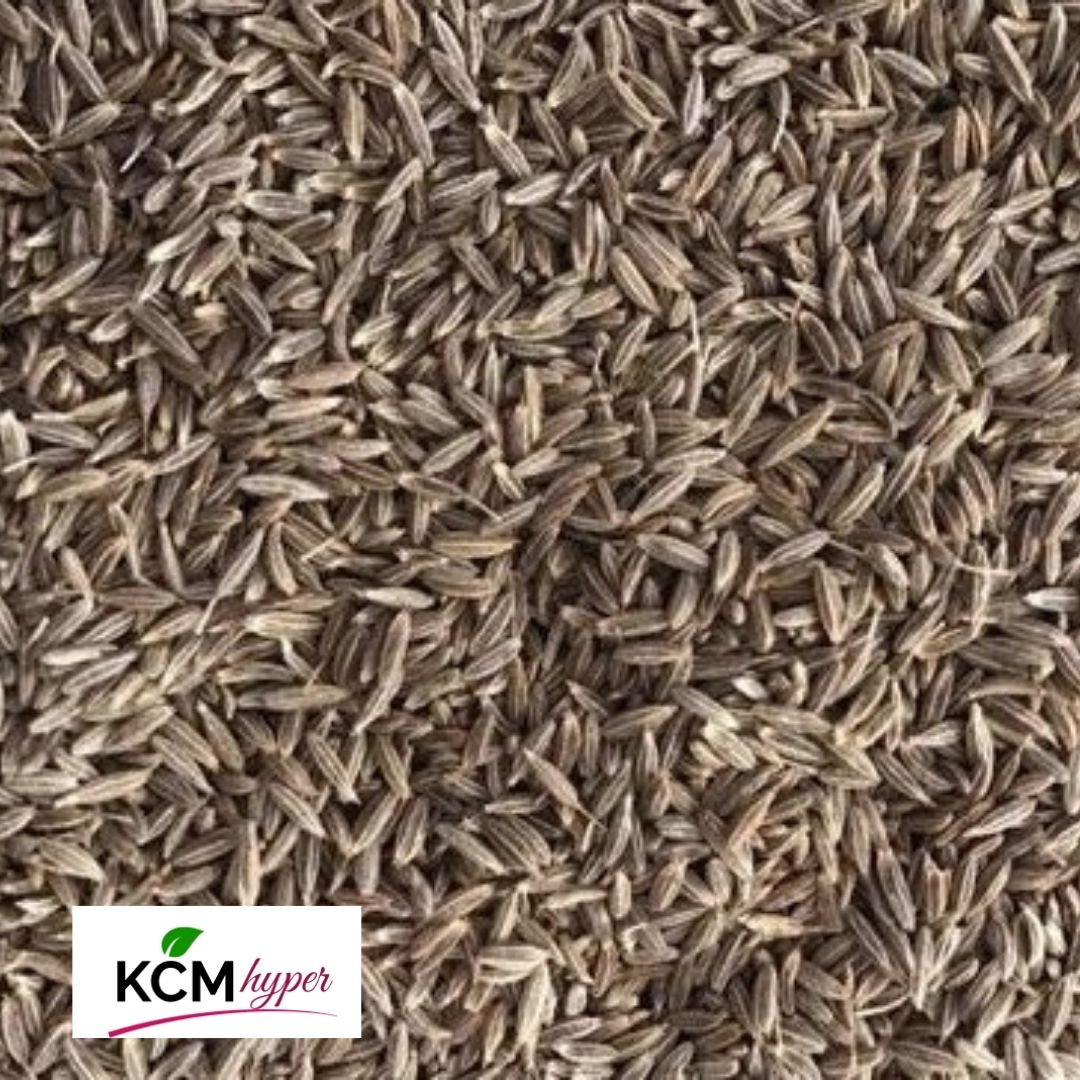
Cumin seeds are small, aromatic seeds from the Cuminum cyminum plant. They have a warm, earthy flavor and are widely used in Indian, Mexican, and Middle Eastern cuisines.
Culinary Uses
- Used in tadka for dals and curries
- Key ingredient in garam masala
- Used in jeera rice
- Roasted cumin powder for raita & chaas
👉 Looking for premium quality cumin?
🛒 Buy Farm Fresh CuminHealth Benefits
- Improves digestion
- Boosts immunity
- Helps control blood sugar
- Rich in antioxidants
Nutritional Value
| Nutrient | Benefit |
|---|---|
| Iron | Supports blood health |
| Calcium | Strengthens bones |
| Magnesium | Improves heart health |
| Vitamin B6 | Boosts metabolism |
How to Store Cumin
Keep cumin seeds in an airtight container, away from moisture and sunlight. Eco-friendly kraft packaging helps preserve freshness naturally.
FAQs
Can cumin be eaten raw?
Yes, but roasting improves taste and digestion.
Is cumin good for weight loss?
Yes, it helps boost metabolism.
How long can cumin be stored?
Up to 1 year if stored properly.
Get Spice Tips & Offers
Join our community for recipes & spice knowledge.
Comments
Post a Comment